

Being more productive was never the problem. Being on more social platforms, churning out more content, being in all the places, doing all the things—never was the winning strategy. It was desperation and lack of focus.
So, what happens when the masses, desperate for visibility and attention because, well, that’s what we were taught matters, now have tools at their disposal to create more, faster, but not necessarily..any better?
It’s good news, I think. Because we’ve spent the last 10+ years being obsessed with data, numbers, and performance just to learn that what really matters is having the ability to discern quality and a high aesthetic standard (thanks, Maddy Perez).
AI didn’t give us bad taste, it amplified it. The race to sameness has been apparent in:
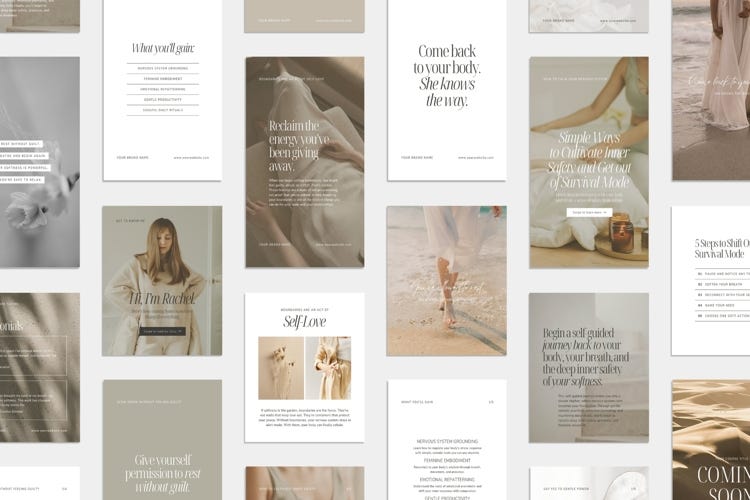
Canva Aesthetic Everywhere
When design at scale became accessible to non-designers, the in-app templates because the mainstream look and feel, even for corporate and tech brands.
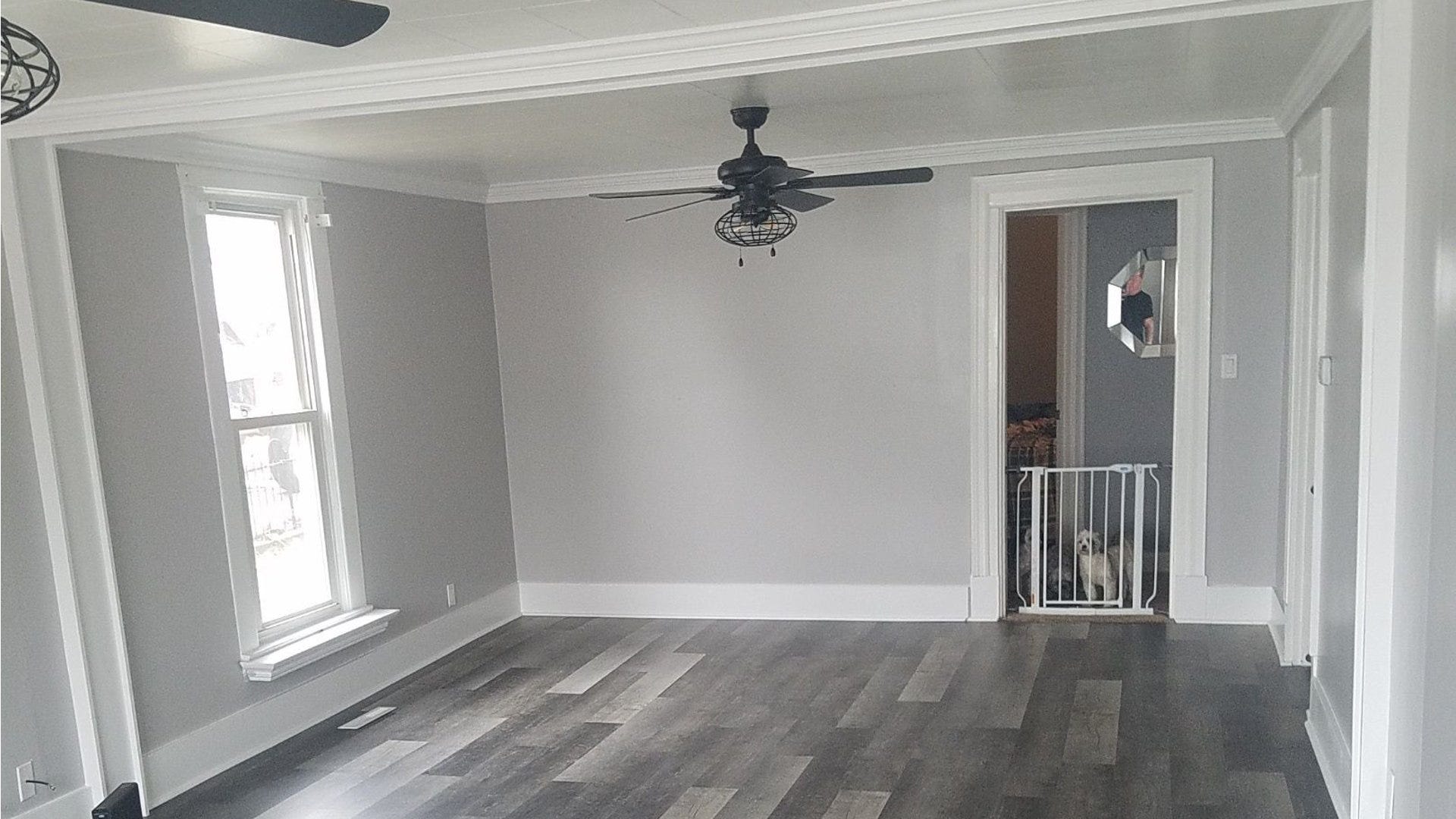
Millennial Greycore
A response to both the cluttered aesthetic of parents + a housing market crisis that made home ownership inaccessible to many (read: have to rent and move more frequently, making it harder to buy “forever pieces” and settle into an aesthetic), most contractor builds look something like:
Bootstrap Templates
I know y’all didn’t forget about how every website suddenly looked exactly the same when Boostrap came out. Then we got Squarespace, Framer, more WP templates…

Vapid Mission Statements
Why say anything, when you can spend $50k+ to say nothing?
(Even the gorgeous intricacies of Victorian architecture had a monent during the early 20th century Arts and Crafts movement where it was just…dated and cringe.)
Is Bad Taste a Curse?
But Kara, maybe my taste sucks, am I just out of luck?
Maybe, maybe not.
Great taste comes from what’s adjacent to you. Oprah said to be discerning about what you allow to take in, protecting yourself from unconscious information. Alain De Botton suggests that we gravitate toward certain styles, designs, or art because they compensate for our inner psychological deficiencies.
Having good taste has been studied for millennia. Philosophers have argued whether taste is objective or subjective, innate or learned, and many scholars argue that it can be learned—it is not innate, rather it is a result of adjacency to refinement, a strong sense of self, and pattern recognition.
What’s actionable in developing good taste?
Look outside your industry. The echo chamber of reacting to competitors and market means everyone is in the same bowl of oatmeal. In SaaS? Subscribe to retail industry newsletters. In consumer brands? Follow design firms in Dumbo. Fill your brain with multifaceted, made from scratch beautiful brand identities.
Balance productivity and performance with stillness and art. Touch grass, go to a museum, listen to your breathing, go for a run alone, read Salinger, watch an indie film, sketch a flower. It activates the Default Mode Network and makes you more intuitive and creative.
Define values and principles. Not aspirational, not what you wish you were. Who you actually are and what you value. I love the idea of giving my life to serve others, for example, and would love to say it’s at my core but here I am in a capitalistic society and not actually living in a monastery. Be real with yourself.
Decide who you feel has great taste. What do they read? How do they speak? What do they do with their evenings? How do they treat their mind? See Eileen Gu for a tip.
Trust your gut, but challenge it. Ask: do I like this because it’s familiar and I saw someone else with this aesthetic and it’s accessible and cute? Or does this make my soul explode with stardust and revive my childlike relationship with wonder?
Be curious more than anything else. We humans are built to explore, play, and create. If the goal is a singular outcome you are obsessed with achieving, you’re missing the point and setting yourself up for one brutal ride. Have a goal, do things toward it, but enjoy the ride and learn and find moments of discovery along the way. This will shape how you grow and see things. No one cares.
TL;DR: in a world of mass production at increasingly scale, do less at a focused, higher quality.
Did someone forward this to you and you want your own? Subscribe here.
Context is everything. It's more powerful than "content."
I also think the downfall of the humanities and this era of no taste are deeply connected.
The title of this article had me laughing at 5am.
I relate deeply to one of the tips you covered. I've worked in vastly different industries, in both B2B and B2C, brand side and in the agency.
While that disqualifies me at way too many companies... I consider it a superpower. I'm not wed to any specific playbook, approach or industries. I can see challenges for what they are and bring the right approach to solve / fix the problem.